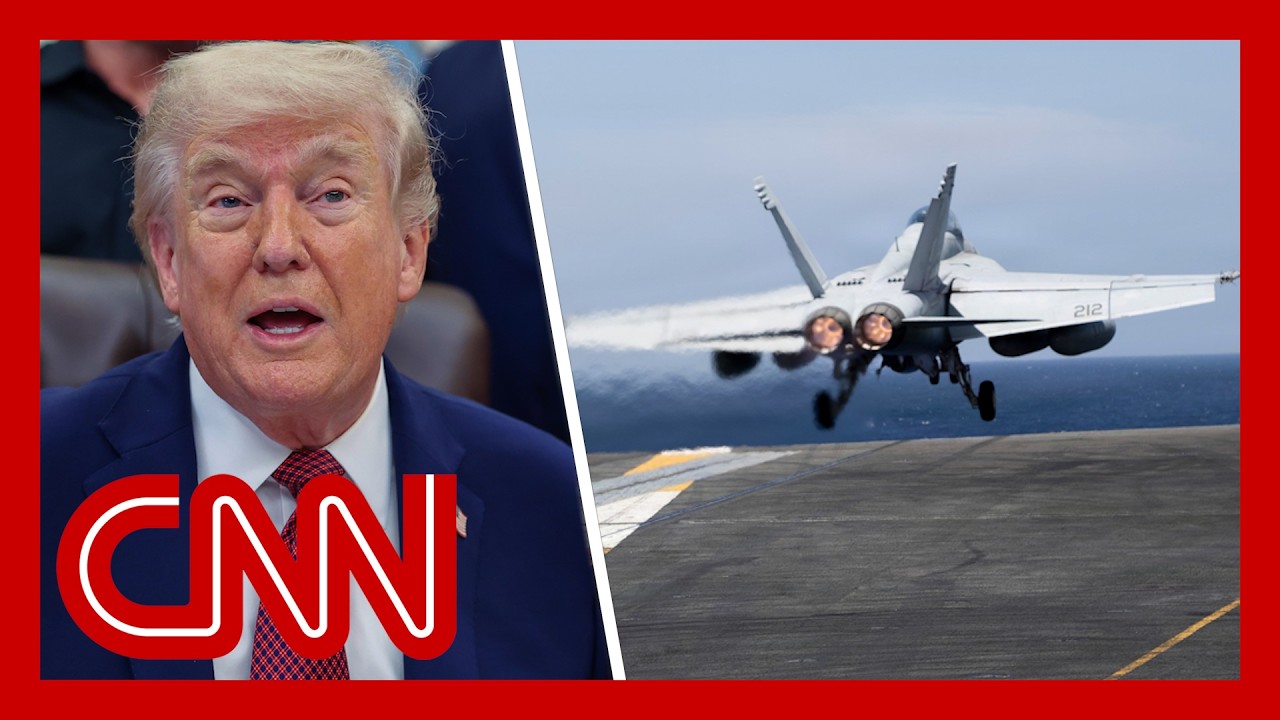
In a recent interview with CNBC, President Donald Trump conveyed a resolute stance on the ongoing tensions with Iran, emphasizing his expectation of military action if diplomatic negotiations falter before a looming deadline. The president’s comments were delivered with a mix of confidence and urgency, indicating that he believes a favorable deal could still be on the horizon. However, he made it clear that he is ready to resume bombing if the United States and Iran cannot come to an agreement.
With a ceasefire set to expire by Wednesday evening, Trump described the military as “raring to go.” He announced, “I expect to be bombing because I think that’s a better attitude to go in with,” hinting at a precarious situation where military force might be viewed as the primary leverage in negotiations. This statement not only reflects his aggressive negotiation style but also underscores the gravity of the situation as talks continue to unfold.
Vice President J.D. Vance is scheduled to depart soon for Pakistan, a move intended to facilitate further discussions with Iran. However, uncertainty looms; preliminary talks have occurred without a clear indication from Iran about engaging in formal negotiations with the U.S. While Vance has yet to leave, tension builds as the deadline for the ceasefire approaches. The fact that these talks have not progressed smoothly raises questions about America’s strategy in a region marked by deep-seated animosities and complex geopolitical dynamics.
Trump’s tone during the interview was both bullish and strategic; he suggested that his administration is in a “very strong negotiating position.” However, this self-assuredness stands in stark contrast to an undercurrent of political vulnerability. Many analysts have noted the unpopularity of the ongoing conflict among the American public. This sentiment may be weighing heavily on the administration as it seeks to navigate the turbulent waters of foreign policy while also appeasing domestic concerns, especially with midterm elections approaching.
While Trump expressed confidence in securing a new agreement—one that differs significantly from the Obama administration’s treaty, which he publicly denounced—serious hurdles remain. Critical issues surrounding Iran’s nuclear enrichment capabilities and management of its uranium stockpiles continue to be flashpoints that have historically stalled negotiations. Trump’s insistence on achieving a “great deal” demonstrates his desire to distance himself from the prior administration’s approach but also raises expectations that may prove difficult to meet.
Interestingly, in a moment of apparent bravado, Trump declared that the war has already been won, stating, “We have totally beat them,” while simultaneously emphasizing his commitment to achieving a beneficial agreement. This conflicting rhetoric illuminates the challenges the administration faces in balancing assertive military posturing with the need for diplomatic solutions. Public sentiment about the administration’s military endeavors indicates a growing desire for a resolution that moves away from prolonged conflict.
Inside the White House, advisors are keenly aware of the stakes. Pressure mounts to find a viable exit strategy that eases economic burdens on Americans, particularly regarding rising gas prices—a matter likely to resonate in the run-up to the elections. The administration’s attempts to project an image of triumph and control seem increasingly at odds with the reality that many Americans see on the ground: a conflict that has yet to be resolved and is becoming more costly both financially and politically.
In recounting his frustrations, Trump’s impatience was highlighted during a military operation to rescue captured airmen in Iranian territory. His aides opted to keep him out of direct communication to avoid his emotional responses complicating the mission. This anecdote serves as a broader metaphor for his approach to diplomacy and conflict. While the president seeks to present a decisive and assertive front, the intricacies of international diplomacy often demand a more nuanced approach—one that may at times require patience and strategic collaboration.
As Vance prepares for his trip, the larger implications of U.S.-Iran relations hang in the balance. The upcoming negotiations might very well determine not only the future of U.S. involvement in the Middle East but also set the stage for how this administration will be remembered. The coming days will reveal whether Trump’s bold rhetoric translates into tangible outcomes or if it will simply serve as a prelude to further conflict.